Transversal Skills and Orientation Pathway (PCTO)
A Lesson in Environmental Governance: Discovering Action for the Mediterranean Sea and its Coasts
The training path, in presence, deepens the knowledge of the role and tasks of the national and international institutions in charge of environmental protection through a first phase of theoretical lessons for which documents in English are also used, followed by practical activities aimed at the introduction of the training contents and the active involvement of the participants.
In particular, the focus is on the United Nations Environment Programme’s Mediterranean Action Plan (UNEP/MAP), the Convention for the Protection of the Marine Environment and the Coastal Region of the Mediterranean (Barcelona Convention) and its governance mechanisms and decision-making processes, as well as the role of the Convention’s Regional Centres, in particular the Information and Communication Centre (INFO/RAC) managed by ISPRA.
The purpose of the training course is to increase young people’s technical knowledge of the national and international institutions responsible for environmental protection, one of the main issues that young people have been mobilising around in recent years.
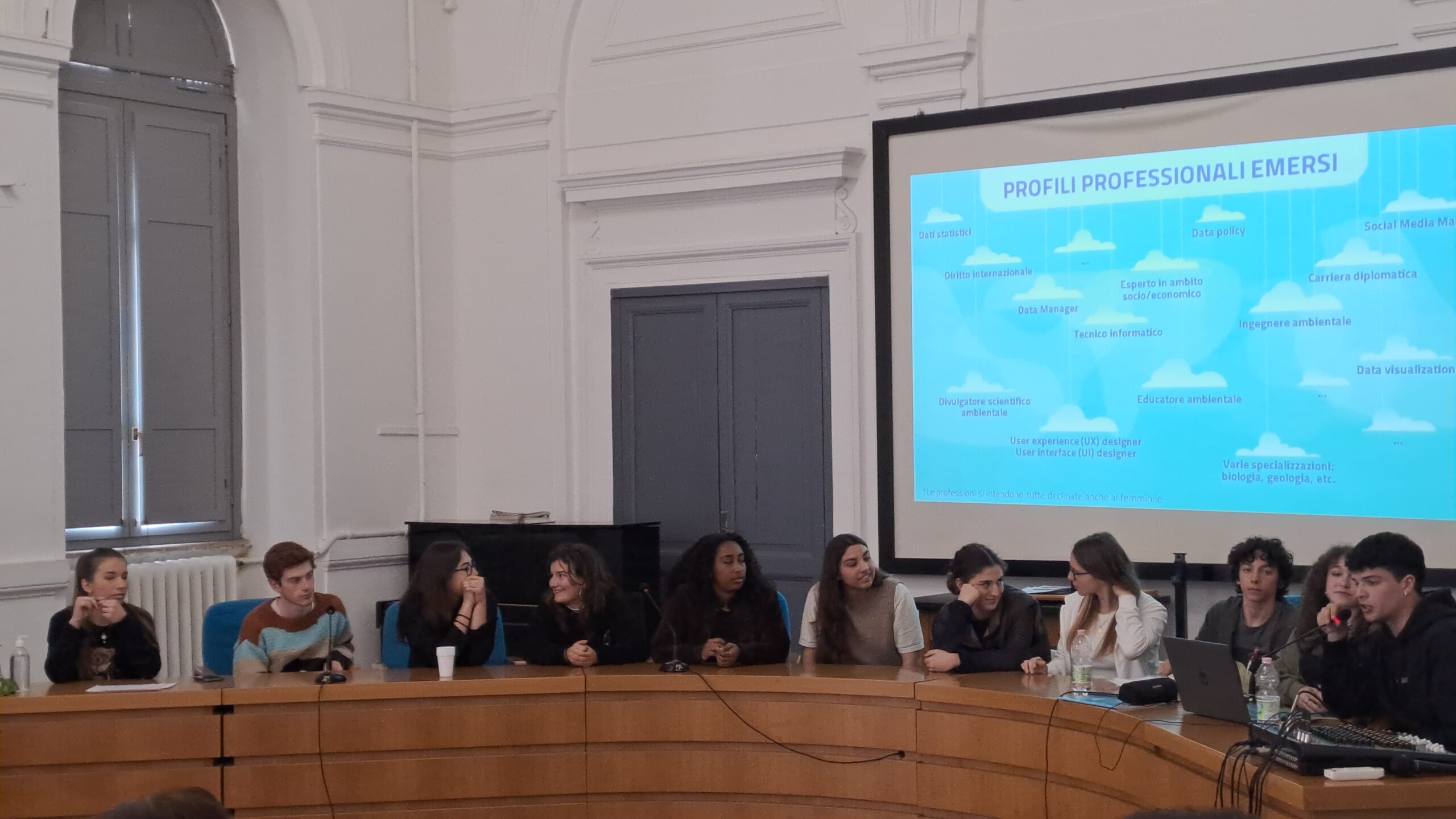
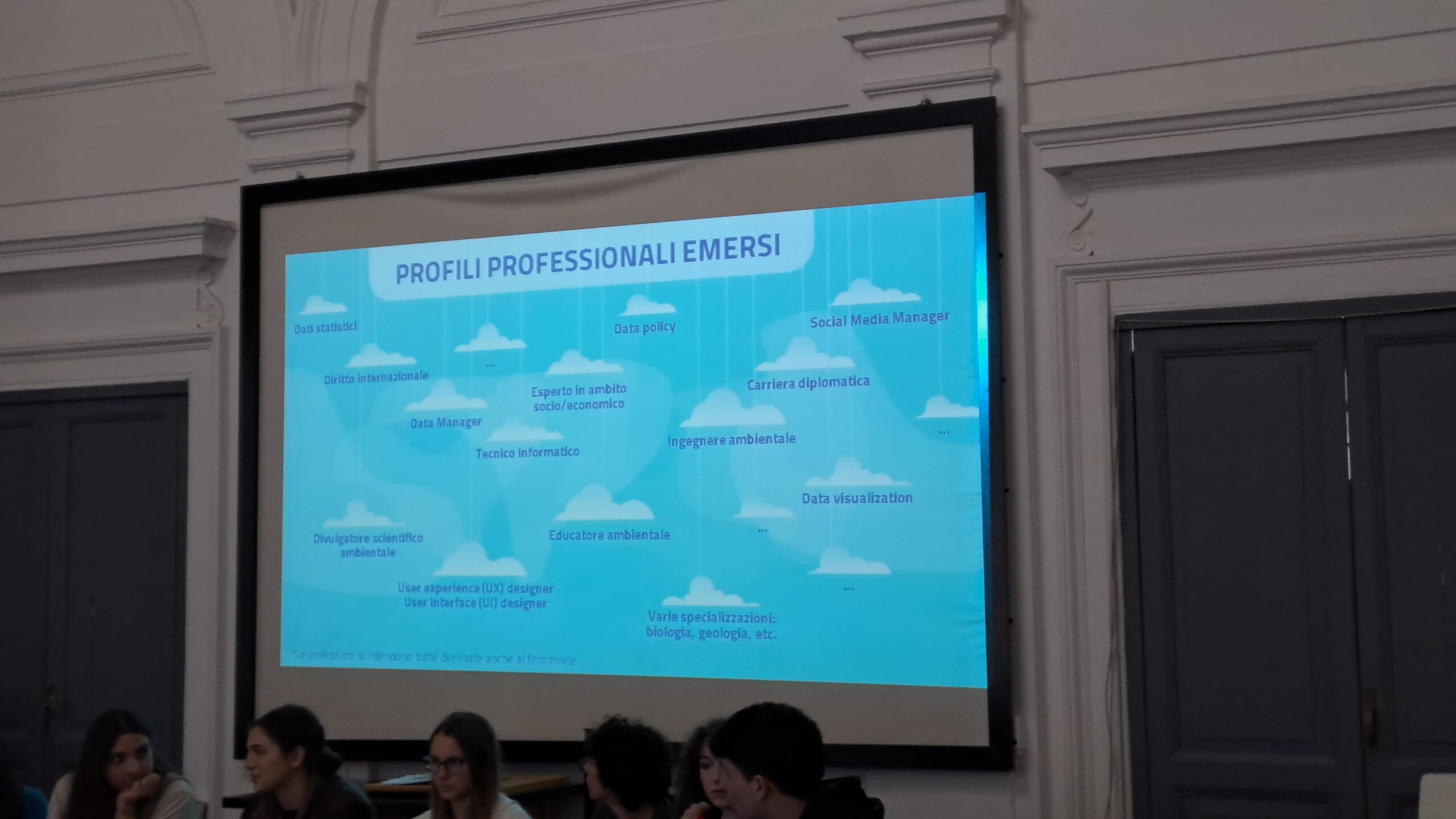
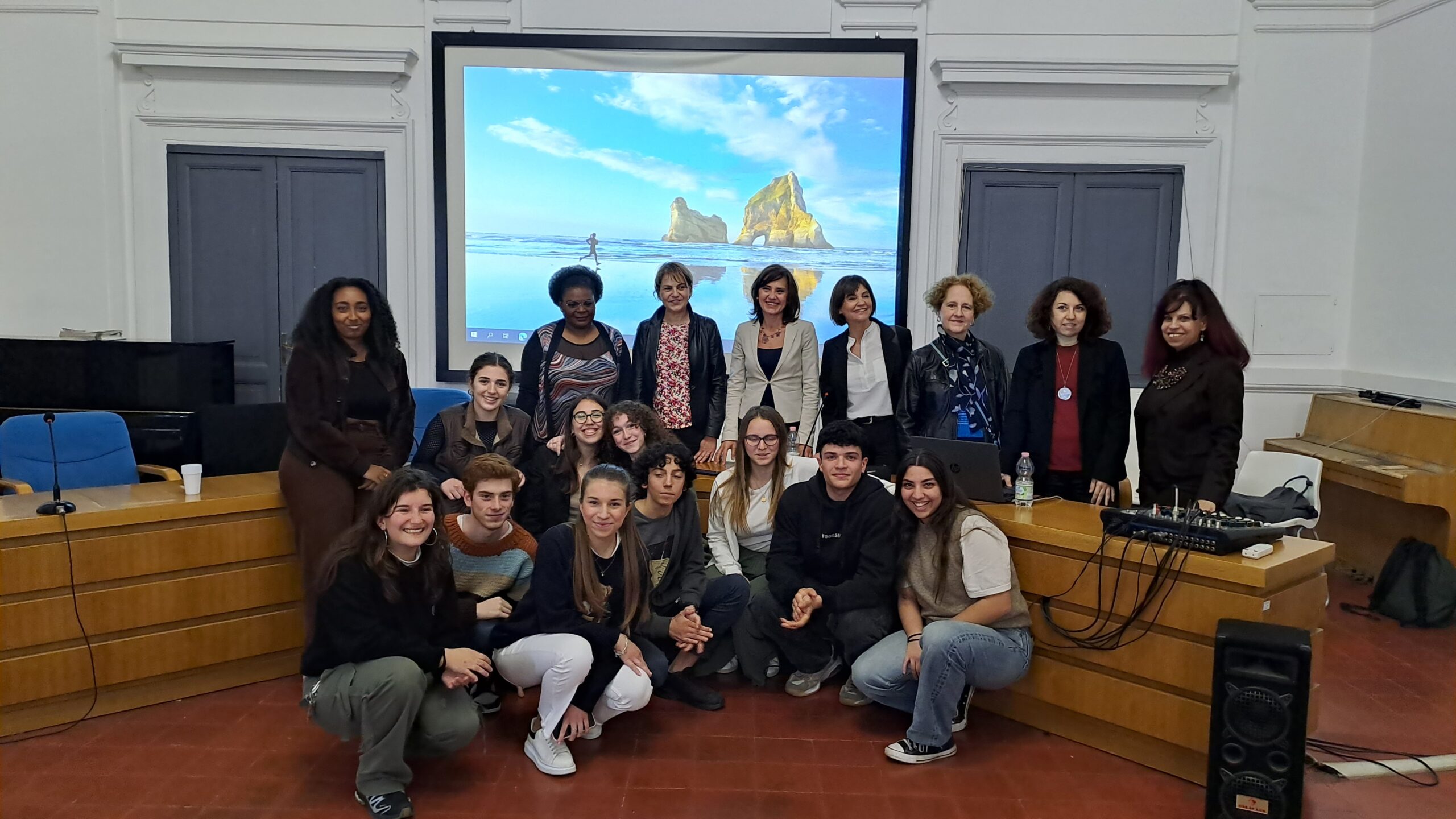
FEW WORDS ABOUT THE DEVELOPEMENT OF THE PATHS FOR TRANSVERSAL SKILLS AND ORIENTATION
In Italy, Law 107/2015 (the so-called La Buona Scuola) introduced school-to-work alternance paths which, with the entry into force of the subsequent 2019 Budget Law (art.1, paragraph 785) became, starting from the 2018/2019 school year and with some modifications, the current Paths for Transversal Skills and Orientation (PCTO).
Since 2017, the Italian Institute for Environmental Protection and Research (ISPRA), which also hosts INFO/RAC, has offered environmental training courses, including the PCTO program. Aimed at high school students in their final three years, these courses combine theory and practice through ‘training pacts’ with schools and families, providing immersive experiences that build lifelong skills and help students make informed choices for their future education or career.
The main actors are the schools and host institutions, but the real protagonists are the students. Guided by school and host tutors, they build on their knowledge while developing transversal skills such as participation, communication, collaboration, sharing, experimentation, and discovery.


