A Historic Milestone for Ocean Conservation
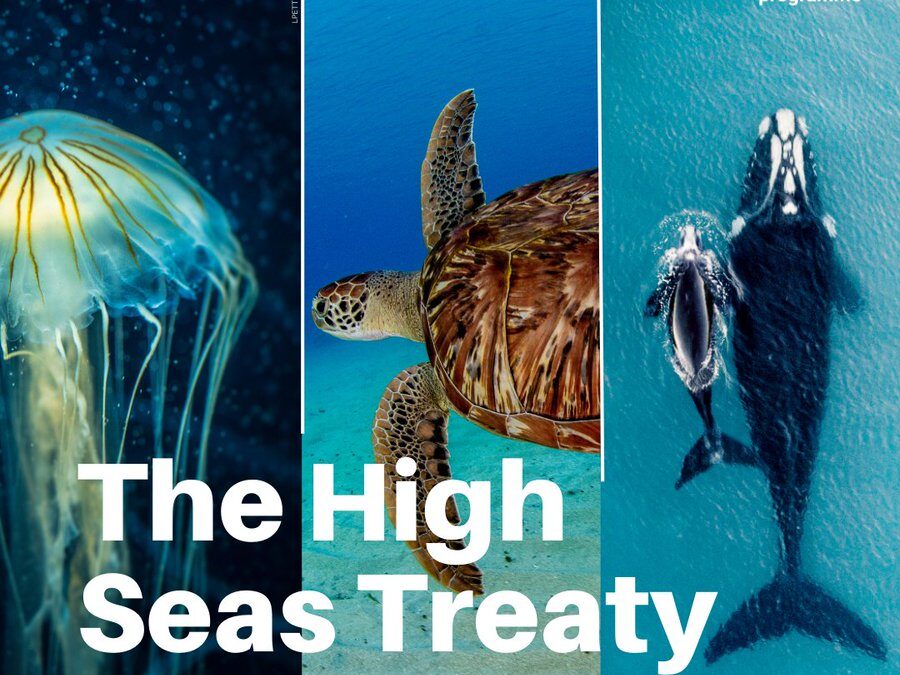
The High Seas Treaty, formally known as the Biodiversity Beyond National Jurisdiction (BBNJ) Agreement, officially entered into force on 17 January 2026.
This represents a significant and fundamental milestone for ocean conservation and their sustainable use. The treaty covers ocean areas beyond national waters (the “high seas”) as well as the international seabed. This historic agreement provides a framework for the shared governance of about half of our planet’s surface and 95% of the ocean’s volume. It is also the first legally binding ocean instrument to provide for inclusive ocean governance, engaging Indigenous Peoples and local communities.
The Agreement is a major success for multilateralism: to date, it has been ratified by 81 Parties, including the EU and 16 of its Member States, and signed by 145 countries.
Once fully implemented, the treaty will contribute to addressing the so-called “triple planetary crisis”: climate change, biodiversity loss, and pollution.
According to Rena Lee, Singapore’s Ambassador for International Law:
“The entry into force of the BBNJ Agreement today stands as a monument to multilateralism and to the years of dedication, dialogue, and cooperative action by countless committed people around the world. Global challenges, such as the climate and biodiversity crises, affect all of us. Global cooperation is not a choice, it is a necessity. This treaty embodies hope, resolve, and a shared commitment to a brighter future for the ocean and our planet.”
With the treaty now in force, it will be possible to:
- Establish Marine Protected Areas (MPAs) on the High Seas
- Regulate the use of marine genetic resources
- Prioritize capacity building, access to technology, and tools
- Establish mechanisms to ensure fair benefit-sharing
Learn more: